What Items You Should Never, Under Any Circumstances, Place Inside a Standard Self-Storage Unit in the Summer
When choosing a storage facility, most people focus on location, unit size, and price. While those factors are important, security should be one of the biggest considerations when deciding where to store your belongings.
Whether you’re storing furniture during a move, keeping business inventory off-site, or protecting family heirlooms, you want confidence that your items are being kept in a secure environment. Modern storage facilities use multiple layers of protection to help reduce the risk of theft, vandalism, unauthorized access, and property damage.
Understanding how these security measures work can help you choose a facility that best fits your needs.
How Storage Facilities Protect Against Theft and Unauthorized Access
Strong storage facility security is built around several systems working together rather than relying on a single feature.
Some of the most important security measures include:
- Computerized gate access systems
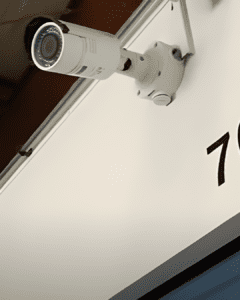
- Security camera monitoring
- Well-lit properties
- Individual unit locks
- Controlled access hours
- On-site management and facility oversight
Each layer serves a specific purpose. Access controls help limit who can enter the property, cameras provide monitoring and documentation, and on-site staff help identify and respond to potential concerns before they become larger issues.
When combined, these features create a safer environment for customers and their belongings.
Why Many Storage Facilities Are Not Open 24/7
One of the most common questions customers ask is why some storage facilities do not offer 24-hour access.
While around-the-clock access may sound convenient, many facilities intentionally limit access hours as part of their overall security strategy. At Armor Storage, access is available daily from 6:00 a.m. to 10:00 p.m., offering a wide window for customers while still maintaining a more controlled environment.
Most theft, vandalism, and unauthorized access incidents occur during late-night hours when fewer people are present. Restricting access to daytime and evening hours helps create a more controlled environment where activity can be more effectively monitored.
Benefits of limited access hours include:
- Reduced opportunities for unauthorized access
- Better visibility of customer activity
- Improved customer safety
- Easier identification of suspicious behavior
- Enhanced facility oversight
With fewer overnight visitors, unusual activity is often easier to detect and address. For many facilities, limiting access hours is one of the most effective ways to improve overall property security.
At Armor Storage, this is the approach we take. Standard access hours allow us to keep a closer eye on activity and maintain a safer environment for all customers. In select cases, 24/7 access is available to approved business customers with verified operational needs. This allows us to support businesses that require flexibility while still keeping overnight activity limited, intentional, and easier to monitor.
What Happens If You’re Inside After Access Hours?
Another common concern involves automated gate systems and facility lockouts.
If a customer remains on the property after access hours, they are not trapped inside the facility. Most professionally managed storage facilities have procedures in place to assist customers in these situations.
An after-hours contact number is typically posted on-site. At Armor Storage, it’s also provided in our phone greeting. Customers can call the number for assistance, and the after-hours operator can provide instructions for safely exiting the property.
If you’re considering a storage facility, it’s always a good idea to ask about after-hours procedures so you understand exactly how the system works before renting a unit.
Why On-Site Management Still Matters
Technology plays an important role in storage facility security, but technology alone cannot replace experienced people.
A fully automated facility may offer convenience, but on-site management provides a level of oversight and customer service that automated systems simply cannot match.
On-site managers help with:
- Monitoring daily activity around the property
- Identifying maintenance concerns before they become larger problems
- Assisting customers with rentals and move-ins
- Addressing questions and concerns
- Responding to unexpected situations
- Maintaining the overall appearance and security of the facility
Security cameras can record activity, but they cannot greet customers, investigate concerns, or solve problems in real time. Having knowledgeable staff on-site helps create a safer and more responsive storage experience.
Fully Enclosed and Climate-Controlled Storage Options
Security looks different depending on what you’re storing. For some customers, protection means preventing unauthorized access. For others, it means protecting valuable belongings from temperature fluctuations, humidity, and environmental damage. Understanding the differences between fully enclosed and climate-controlled storage can help you choose the right storage facility for your needs.
Climate-Controlled Storage: Environmental Protection with Enhanced Facility Security
Climate-controlled storage units help maintain more consistent temperatures and humidity levels throughout the year, making them an excellent choice for items that can be damaged by extreme heat, cold, or moisture.
Many climate-controlled facilities utilize wire ceiling systems rather than traditional floor-to-ceiling walls between units. Wire ceilings promote airflow throughout the building, allowing the climate-control system to maintain more consistent temperatures and humidity levels.
Climate-controlled storage is often located within an indoor facility that provides additional layers of security, including surveillance cameras, monitored access systems, and onsite facility managers who regularly walk the property. Combined with protection from heat and humidity, these features make climate-controlled storage an excellent option for valuables such as:
- Wood furniture
- Electronics
- Important documents
- Family photographs
- Collectibles
- Musical instruments
- Antiques
Fully Enclosed Storage: Maximum Physical Separation and Convenience
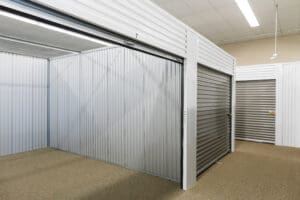
Fully enclosed storage units provide floor-to-ceiling separation between units, creating a complete physical barrier around your belongings. This design offers an added layer of privacy and security by limiting visibility and access between neighboring storage spaces.
These units are commonly found in exterior drive-up storage facilities, allowing customers to load and unload belongings directly from their vehicle. For many renters, this combination of physical security and convenience makes fully enclosed storage the preferred option.
Fully enclosed units are particularly well-suited for:
- Tools and equipment
- Business inventory
- Lawn mowers and snow blowers
- Small vehicles
- Seasonal equipment
- Furniture during moves or home renovations
While they do not provide the temperature and humidity regulation of climate-controlled storage, fully enclosed units offer a durable, secure solution for belongings that do not require environmental protection.
The right choice ultimately depends on what you’re storing. Climate-controlled units provide added protection against environmental damage, while fully enclosed units offer maximum physical separation, security, and accessibility for larger or more durable items.
Choosing a Storage Facility That Prioritizes Security
A secure storage experience depends on more than just a gate or a camera system. The most effective facilities combine multiple layers of protection, including controlled access, surveillance, facility design, and active management.
When comparing storage options, look beyond price alone. Ask how access is managed, what security measures are in place, whether staff are available on-site, and how the facility handles customer concerns.
You should also consider the type of storage environment that best fits your belongings. Some items benefit most from climate-controlled protection, while others are better suited for fully enclosed drive-up units that offer convenience and physical separation.
The answers to these questions often reveal far more about a facility’s commitment to security than any marketing brochure ever could.
Frequently Asked Questions
What happens if an automated system locks me inside the facility after hours?
Most facilities provide an after-hours phone number for assistance. An operator can guide you through the process of safely exiting the property.
Why wouldn’t a storage facility be open 24/7?
Many facilities limit access hours to improve security. Restricting overnight access helps reduce opportunities for theft, vandalism, and unauthorized entry while making activity easier to monitor.
What are the benefits of limited access hours?
Limited access hours can improve security, enhance customer safety, support better facility oversight, and make suspicious activity easier to identify.
Why is on-site management important?
On-site managers provide real-time oversight, customer support, problem-solving, and facility monitoring that automated systems cannot fully replace.
Armor Storage | Self-Storage Facilities
Armor Storage offers clean, secure, and conveniently located self-storage units across Kansas, Iowa, and Nebraska. Whether you’re moving, decluttering, or need extra space for your business, our facilities provide a variety of unit options and sizes, parking for RV, boats, and vehicles, flexible month-to-month rentals, and modern amenities like 24/7 security cameras and computerized gate access. With friendly onsite managers and customer-focused service, we make storage simple and stress-free.
We proudly serve multiple communities with locations in Omaha, Gretna, Bellevue, Ralston, Blair, Council Bluffs, Topeka, and beyond. Visit our Locations Page to find your nearest Armor Storage facility.
Contact your local Armor Storage today for current availability, rates, and promotions.
In Omaha, there’s no shortage of storage facilities to pick from, but finding the one that fits your needs just right can be overwhelming. To make the process easier, we evaluated the city’s leading storage companies and ranked the top five based on price, unit sizes, security, accessibility, climate control, cleanliness, and customer reviews.
1. Armor Storage
Armor Storage stands out as the top storage choice in Omaha because it consistently delivers the best mix of pricing, security, diverse storage options, integrated moving trucks and supplies, and customer-focused service across all of its locations. As a locally owned company, Armor takes pride in maintaining clean, well-lit properties and offering a level of care that national chains simply don’t match. With unit options ranging from personal storage to large commercial spaces, customers can always find a size that fits their needs without paying for unnecessary extras.
Many Armor locations offer climate-controlled units, which are ideal for protecting furniture, electronics, documents, and other sensitive items from Nebraska’s extreme temperatures. Security is another advantage; Armor Storage facilities include gated access, video surveillance, and well-lit environments, which gives renters confidence when storing valuable belongings. Customers frequently highlight how clean the units and hallways are.
Convenience is a key part of the Armor experience. Armor Storage serves as a true one-stop-shop, providing everything needed for a successful self-move and storage event: storage units, moving trucks, boxes, packing supplies, and flatbed carts for your convenience. Renters can reserve units online, pay their bill digitally, and manage their account easily. Armor partners with U-Haul at 10 of its locations, allowing customers to rent moving trucks directly from the property, eliminating extra trips during an already stressful moving process.
If you are needing larger vehicle storage, Armor Storage goes above and beyond. Eight locations offer dedicated parking options for RVs, boats, trailers, and commercial vehicles, providing more flexibility than most competitors in the region. Pricing is transparent and competitive, with no hidden fees and flexible month-to-month leasing options. When you combine the quality, convenience, and customer service that Armor delivers, it’s easy to see why it ranks #1 among all storage facilities in Omaha. This consistent excellence is why Armor Storage is a multi-year winner of the Best of Omaha awards, a prestigious honor decided entirely by local consumers.
2. StorageMart
StorageMart is a popular choice for renters looking for affordable monthly pricing and straightforward storage options with prices in that $22-$200 range. Many Omaha locations offer a mix of indoor units and drive-up access. Reviews across the city tend to stay strong, with most customers mentioning clean facilities and helpful staff. While StorageMart is dependable and budget-friendly, its features and security can vary slightly depending on the location, which keeps it in the #2 position.
3. Milt’s Mini Storage
Milt’s Mini Storage has been a trusted local storage provider for years, earning some of the highest customer ratings in the Omaha area. Tenants consistently mention the friendly staff, well-maintained units, and overall ease of working with a locally owned company. They are among the highest in pricing across their locations, which range from $43–$330. Milt’s offers both drive-up access and indoor units, along with wide aisles. While they do offer vehicle storage, it is limited to one location, which keeps this brand slightly less flexible than Armor or StorageMart. Still, Milt’s strong reputation and dependable management make it a solid top-three choice.
4. Dino’s Storage
Dino’s Storage is another well-known local provider with a wide mix of storage options at competitive prices, usually between $26–$175, making it a good mid-range choice. Most locations offer indoor and outdoor units, with sizes ranging from 5’x5′ to 10’x20′, and many sites include climate-controlled storage as well. Security features generally include gated access and cameras, and a few locations even offer 24/7 access for added convenience. With multiple facilities across Omaha, Dino’s is easy to find, though some buildings are older or more basic. Even so, its flexibility and accessibility make it a popular pick for budget-conscious renters.
5. Public Storage
Public Storage is a national chain offering structured policies and straightforward online reservations. Omaha pricing typically falls between $30–$100, and local Public Storage facilities provide a mix of drive-up and indoor units. They also offer vehicle parking and climate-controlled units at many locations. Their security setups usually include gated access, but some sites may feel more minimal compared to local competitors who emphasize hands-on management. With 12 Omaha locations and more than 3,000 nationwide, the customer experience can vary depending on which location you visit. As a national chain, you tend to lose the personalized service that you can expect at locally operated competitors. Due to its recognition and average pricing and storage options, it remains in the top 5 storage options in the Omaha and surrounding area.
Final Thoughts: Who Should You Choose?
If you’re looking for the best overall mix of:
- Price
- Security
- Climate control
- Cleanliness
- Customer service
- Local ownership
- Well-kept facilities
- Added services and features
Then Armor Storage is your best choice in Omaha.
Whether you’re storing for a move, downsizing, renovating, or protecting valuables long-term, Armor Storage offers the strongest combination of value, convenience, and peace of mind, which is why we rank it as the top storage facility in the Omaha area.
Armor Storage Locations
Armor Storage proudly serves customers across Nebraska, Iowa, and Kansas with clean, secure, and well-maintained storage facilities. Find your nearest location below:
Nebraska Locations
- Bellevue
- Blair
- Gretna
- La Vista
- Omaha – Ames
- Omaha – Bauman
- Omaha – Hartman
- Omaha – Saddle Creek
- Omaha – Sorensen 87
- Papillion
- Ralston
Iowa Locations
Kansas Locations
Armor Storage | Self-Storage Facilities
Armor Storage offers clean, secure, and conveniently located self-storage units across Kansas, Iowa, and Nebraska. Whether you’re moving, decluttering, or need extra space for your business, our facilities provide a variety of unit sizes, flexible month-to-month rentals, and modern amenities like 24/7 security cameras and computerized gate access. With friendly onsite managers and customer-focused service, we make storage simple and stress-free.
We proudly serve multiple communities with locations in Omaha, Lincoln, Gretna, Bellevue, Ralston, Blair, Council Bluffs, Topeka, and beyond. Visit our Locations Page to find your nearest Armor Storage facility.
Contact your local Armor Storage today for current availability, rates, and promotions.
As contractors grow, so do their storage needs. Equipment, materials, and inventory can quickly take over office space, shops, trailers, and job sites. While leasing a warehouse may seem like the next logical step, many businesses discover that the true cost of maintaining one extends well beyond the monthly rent.
One question we hear frequently is whether every growing contractor actually needs warehouse space. In many cases, the answer is no. Self-storage units can provide a practical, flexible alternative by giving contractors the space they need without the long-term overhead and commitments that come with commercial warehouse space.
Warehouse Expenses Extend Beyond the Monthly Lease
Many contractors begin by comparing warehouse rent to the monthly cost of a storage unit. However, that comparison often changes after looking at the total cost of operating a warehouse.
Beyond rent, warehouse space comes with ongoing expenses that continue whether the building is full or half empty. Utilities, insurance, maintenance, and security all add to the monthly overhead, even during slower seasons when storage needs are reduced. Those fixed warehousing costs can quickly eat into profits and reduce flexibility as workloads change throughout the year.
| Warehouse Expense | Why It Affects Overhead |
|---|---|
| Utilities | Continue regardless of storage usage |
| Insurance | Applies to the building year-round |
| Property maintenance | Includes routine upkeep and repairs |
| Security systems | Ongoing monitoring and maintenance costs |
| Exterior maintenance | Landscaping, snow removal, or site upkeep |
| Lease commitments | Payments continue even during slower periods |
For contractors with changing workloads, paying only for the storage space they currently need often provides far greater flexibility than maintaining an oversized warehouse.
Flexible Storage Adapts to Your Workload
Construction projects rarely follow identical schedules. Material deliveries often arrive before installation begins, while weather delays or scheduling changes can require equipment and supplies to remain in storage longer than originally planned.
Instead of committing to warehouse space without knowing if you will make use of all of the square footage to make the investment worth it, many contractors benefit from storage that grows or shrinks with their workload. Month-to-month rentals make it easier to adjust as projects begin, wrap up, or experience unexpected delays.
Self-storage can be especially valuable when:
- Remodeling materials arrive before installation.
- Seasonal landscaping equipment needs an off-season home.
- Specialized equipment rotates between multiple job sites.
- Extra inventory is ordered in advance of large commercial projects.
- Offices, shops, or trailers begin running out of usable workspace.
Choosing flexible storage allows contractors to pay for the space they need today rather than carrying the cost of unused warehouse space throughout the year.
Better Organization Improves Productivity
Reducing overhead isn’t only about lowering monthly expenses. It’s also about helping crews work more efficiently.
When tools, materials, and inventory are scattered across offices, trailers, and job sites, valuable time is often spent searching for equipment or replacing items that can’t be located. A dedicated storage unit creates a centralized place for equipment that isn’t needed every day, making inventory easier to manage and helping reduce unnecessary purchases.
Businesses commonly use storage units for:
- Power tools and specialty equipment
- Extra plumbing and electrical supplies
- Flooring, tile, and cabinetry
- Seasonal landscaping equipment
- Safety equipment and temporary fencing
- Materials waiting for installation
- Archived paper files that take up valuable office space
- Special event supplies
Keeping these items in a dedicated storage unit helps reduce clutter, improve organization, and make equipment easier to locate when the next project begins. Features like drive-up access can also simplify loading and unloading, helping crews spend less time moving equipment and more time on the job.
Choosing the Right Storage Unit
Not every contractor has the same storage requirements, which is why selecting the right storage unit is just as important as choosing the right amount of space.
Start by considering what you’ll be storing. Contractors with large tools or heavy materials often benefit from drive-up storage units that make loading and unloading faster and less labor intensive. Businesses storing temperature-sensitive products, electronics, adhesives, paints, or certain finishes may want the added protection of a climate-controlled unit.
You should also think about how frequently you’ll need access. Choosing a conveniently located storage facility can reduce travel time between your office, job sites, and stored equipment. Security features such as computerized gate access, security cameras, and insurance policies also provide added peace of mind when storing valuable business assets.
Selecting the right combination of unit size, accessibility, and security helps ensure your storage solution supports your business both now and as it continues to grow.
When Self-Storage Makes More Sense Than a Warehouse
Warehouse space certainly has its place, but it isn’t the right solution for every contractor.
For businesses that need additional space without the long-term expense of leasing and maintaining a commercial building, self-storage at an Armor Storage location near you can provide a practical alternative. It allows contractors to stay organized, protect valuable equipment, and keep overhead costs under control while maintaining the flexibility to adapt as projects and workloads change.
For many growing contractors, a secure storage unit becomes an extension of the business rather than an additional financial burden.
Frequently Asked Questions
Can storage units replace a warehouse?
It depends on your storage requirements, but typically the answer is “yes.” Contractors managing rotating inventory, equipment between projects, or seasonal workloads often find that storage units provide a flexible alternative without the ongoing overhead of a warehouse.
What do contractors typically store?
Storage needs vary by trade. Contractors commonly store surplus inventory, specialty tools, seasonal equipment, project materials, cabinetry, flooring, plumbing supplies, electrical inventory, and other items that aren’t needed every day.
Are storage units suitable for temporary projects?
Yes. Many contractors use storage units to hold equipment or materials while waiting for installation dates, project completion, or the next phase of construction. This helps free up valuable space at offices, shops, and active job sites.
Is climate-controlled storage necessary for contractors?
That depends on what you’re storing. Temperature-sensitive materials, electronics, adhesives, paints, and certain finishes may benefit from climate-controlled storage, while many tools, equipment, and durable construction supplies are well suited for standard drive-up units.
How do storage units help reduce overhead for contractors?
Storage units allow contractors to rent space based on their current storage needs instead of paying for warehouse space year-round. This can help reduce operating costs while providing secure, convenient storage for equipment and project materials.
Armor Storage | Self-Storage Facilities
Armor Storage offers clean, secure, and conveniently located self-storage units across Kansas, Iowa, and Nebraska. Whether you’re moving, decluttering, or need extra space for your business, our facilities provide a variety of unit options and sizes, parking for RV, boats, and vehicles, flexible month-to-month rentals, and modern amenities like 24/7 security cameras and computerized gate access. With friendly on-site managers and customer-focused service, we make storage simple and stress-free.
We proudly serve multiple communities with locations in Omaha, Gretna, Bellevue, Ralston, Blair, Council Bluffs, Topeka, and beyond. Visit our Locations Page to find your nearest Armor Storage facility.
Contact your local Armor Storage today for current availability, rates, and promotions.
Plastic storage totes have become the go-to choice for storing everything from seasonal decorations and clothing to furniture accessories and family keepsakes. They stack neatly, keep out dust and pests, and help protect belongings from accidental water exposure.
Because of that, many people assume that once the lid is snapped into place, their belongings are fully protected.
In reality, a tightly sealed plastic tote can sometimes create the very conditions that allow mold to develop, especially when leather, wood, and other natural materials are stored during periods of high humidity. The surprising part is that the moisture responsible for mold often comes from inside the tote, not from outside of it.
Understanding how this happens can help you better protect valuable belongings before they go into long-term storage.
A Sealed Tote Keeps Moisture In as Well as Out
One of the biggest misconceptions about plastic storage totes is that a sealed lid automatically creates a safe storage environment.
While a sealed container does an excellent job of keeping outside moisture away, it also traps whatever air is already inside the tote when it is packed.
If that air contains excess humidity, it has nowhere to escape.
This commonly happens when belongings are packed:
- During hot, humid weather
- Before they are completely dry after cleaning
- Immediately after being moved from a cool indoor space to a warm garage
- After being stored temporarily in a basement, shed, or attic
Even if everything feels dry to the touch, moisture can still be present in the surrounding air or absorbed into certain materials.
Once the tote is sealed, that humidity becomes trapped inside.
Why High Humidity Makes the Problem Worse
Humidity alone does not always cause mold. The problem develops when moisture remains trapped for an extended period without enough airflow to dry naturally.
Throughout the summer, temperatures inside garages, sheds, attics, and other storage areas often rise during the day and cool again at night. Those repeated temperature changes can cause the humidity inside a sealed tote to condense into tiny droplets before slowly evaporating again.
This cycle may repeat hundreds of times over several months.
Although the amount of moisture created during each cycle is small, it often remains inside the container because fresh air cannot circulate through the sealed tote.
Over time, those consistently damp conditions become much more favorable for mold growth than many people realize.
Why Leather and Wood Are Usually the First Items Affected
Not every item inside a storage tote responds to humidity the same way.
Leather and unfinished wood naturally absorb moisture from the surrounding air. Unlike plastic or metal, they can hold that moisture within the material itself, making them more susceptible to mold when humidity remains trapped inside the container.
Items commonly affected include:
- Leather bags and luggage
- Leather shoes and boots
- Wooden furniture components
- Picture frames
- Musical instruments
- Wooden keepsakes and collectibles
This is why homeowners are often surprised to find mold growing on a leather bag or wooden keepsake while the plastic tote itself appears perfectly clean.
The container did not create the mold directly. Instead, it trapped the humidity that allowed mold to develop on moisture-sensitive materials.
Common Packing Mistakes That Increase Mold Risk
Many cases of mold begin before the tote is ever closed.
Some of the most common packing mistakes include:
| Packing Habit | Better Practice |
|---|---|
| Packing recently cleaned belongings | Allow everything to dry completely before storing. |
| Packing during extremely humid weather | Whenever possible, pack indoors where humidity is lower. |
| Wrapping leather in plastic | Use breathable fabric covers instead. |
| Filling the tote completely full | Leave a small amount of space for air movement. |
| Storing totes for years without opening them | Periodically inspect valuable belongings during long-term storage. |
These simple changes often make a much bigger difference than changing the storage container itself.
The Storage Environment Matters Just as Much
Even when belongings are packed correctly, the surrounding environment still plays an important role.
Garages, outdoor sheds, and unfinished basements often experience wide swings in temperature and humidity throughout the year. Those changing conditions increase the likelihood of condensation forming inside sealed containers.
For belongings that are difficult or impossible to replace, choosing the right storage environment can be just as important as choosing the right container.
Leather furniture, wooden antiques, family heirlooms, photographs, artwork, collectibles, and important documents generally benefit from a more stable storage environment where temperature and humidity fluctuate less over time.
Climate-controlled storage is often recommended for these types of items because it helps reduce the environmental conditions that contribute to trapped moisture and condensation during long-term storage.
How to Protect Belongings During Long-Term Storage
If you’re storing valuable or moisture-sensitive items for several months or longer, a little extra preparation can go a long way.
Before placing items into storage:
- Make sure everything is completely clean and dry.
- Avoid packing immediately after bringing items in from humid outdoor conditions.
- Use breathable protective covers for leather and natural materials whenever appropriate.
- Avoid overfilling storage totes.
- Consider moisture absorbers for added protection when appropriate.
- Store valuable belongings in a stable environment whenever possible.
- Check long-term storage periodically instead of sealing containers for years at a time.
These steps help reduce trapped humidity while giving valuable belongings a better chance of remaining in excellent condition.
If you need boxes, packing materials, or other storage supplies while preparing your belongings, Armor Storage has storage and packing supplies available for purchase at all locations. This makes it easy to pick up additional supplies when moving belongings into your storage unit.
Protect Your Belongings, Not Just the Container
Plastic storage totes remain an excellent way to organize and protect belongings from dust, dirt, and pests. The problem is not the tote itself. The problem occurs when moisture becomes trapped inside and has nowhere to escape.
Understanding how humidity behaves inside a sealed container makes it easier to prevent mold before it starts.
For valuable leather goods, wooden furniture, antiques, family heirlooms, collectibles, and other moisture-sensitive belongings, combining proper packing techniques with a stable storage environment can provide added protection throughout long-term storage.
Frequently Asked Questions
Should I leave a plastic storage tote slightly open?
Generally, no. Leaving a tote partially open may allow dust, pests, and additional humidity to enter. A better approach is to pack completely dry belongings and store them in an environment with stable temperature and humidity.
Are vacuum-sealed bags better than plastic totes?
Vacuum bags work well for many fabrics and clothing, but they are not recommended for every material. Leather, natural fibers, and certain delicate items can benefit from breathable storage methods instead.
Can mold spread from one item to another inside a tote?
Yes. If mold begins growing on one moisture-sensitive item, spores can spread to nearby belongings, particularly when humidity remains trapped inside the sealed container.
How often should long-term storage be checked?
If practical, inspect valuable belongings every few months. Periodic inspections make it easier to identify moisture or mold before significant damage develops.
When is climate-controlled storage worth considering?
Climate-controlled storage is often a good option for leather furniture, wooden heirlooms, collectibles, artwork, photographs, electronics, musical instruments, and other belongings that can be damaged by long-term exposure to changing temperature and humidity.
Armor Storage | Self-Storage Facilities
Armor Storage offers clean, secure, and conveniently located self-storage units across Kansas, Iowa, and Nebraska. Whether you’re moving, decluttering, or need extra space for your business, our facilities provide a variety of unit options and sizes, parking for RV, boats, and vehicles, flexible month-to-month rentals, and modern amenities like 24/7 security cameras and computerized gate access. With friendly on-site managers and customer-focused service, we make storage simple and stress-free.
We proudly serve multiple communities with locations in Omaha, Gretna, Bellevue, Ralston, Blair, Council Bluffs, Topeka, and beyond. Visit our Locations Page to find your nearest Armor Storage facility.
Contact your local Armor Storage today for current availability, rates, and promotions.